

India’s startup ecosystem is undergoing an extraordinary transformation, emerging as one of the most vibrant and fastest-growing in the world. With over 90,000 startups and a rapidly increasing number of unicorns, India has become a global hub for innovation and entrepreneurship. This boom is driven by favorable government policies, rapid digital adoption, and a young, dynamic workforce. Let’s explore how startups in India are reshaping the nation’s economy and contributing to its global competitiveness.
The Indian startup ecosystem is one of the fastest-growing in the world, with innovative companies disrupting industries like fintech, edtech, healthtech, and more. If you’re interested in learning about the most promising players, explore our detailed list of the Top 20 Startups in India all across Industries.
A Brief History of Startups in India
The journey of startups in India has evolved significantly over the decades. In the early days, entrepreneurship was a challenging pursuit, limited by strict government regulations and lack of financial support. Post-1991 liberalization marked a turning point, as the Indian government opened up the economy, reducing restrictions and creating a favorable environment for businesses.
The advent of the internet in the early 2000s further fueled the growth of startups. Companies like Infosys and Wipro set the stage for India’s IT revolution, inspiring a new generation of entrepreneurs. However, the real transformation began in the late 2010s, with digitalization, affordable internet, and mobile penetration creating new opportunities for innovation. Today, startups in India span diverse sectors such as fintech, edtech, healthtech, and e-commerce, and the ecosystem continues to flourish.
Key Factors Fueling the Growth of Startups in India
Government Support
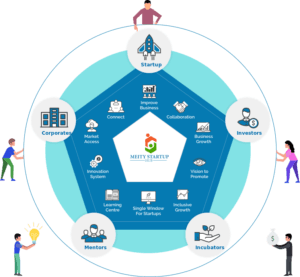
The Indian government has played a crucial role in fostering the startup ecosystem. Initiatives like the Startup India campaign introduced simplified regulatory processes, tax exemptions, and funding support for budding entrepreneurs. Programs such as Atal Innovation Mission (AIM) and the establishment of incubators have created a nurturing environment for startups.
Rapid Digital Adoption
India’s digital revolution has been a game-changer for startups and UPI is dominating all around the world. Affordable internet and the widespread use of smartphones have brought millions of people online, creating a massive digital marketplace. The rise of payment systems like UPI has further simplified transactions, allowing businesses to reach rural and urban audiences seamlessly.
Availability of Venture Capital
The influx of venture capital and the rise of angel investors have significantly contributed to the growth of startups in India. Domestic and international investors are increasingly recognizing the potential of Indian startups, leading to higher investments in promising ideas. This financial backing has enabled startups to scale and compete on a global level.
Top Sectors Transforming the Startup Ecosystem in India
Fintech
India’s fintech sector has emerged as one of the fastest-growing in the world. Startups like Paytm, PhonePe, and Razorpay have disrupted traditional banking and financial services, providing users with easy access to digital payments, lending, and insurance. With initiatives such as Digital India and the Unified Payments Interface (UPI), the fintech ecosystem has experienced exponential growth, making financial services more accessible to millions of Indians.
E-commerce, Retail, and the Rise of Quick Commerce
Platforms like Flipkart, Meesho, and Nykaa have not only redefined online shopping but also empowered local sellers and SMEs to reach a national audience. For instance, Flipkart’s success as India’s leading e-commerce platform has brought millions of products to customers across the country, while Meesho focuses on empowering small entrepreneurs by providing them with a digital platform. Nykaa, on the other hand, has become synonymous with beauty and personal care, combining an extensive online catalog with physical retail stores.
Quick Commerce: Instant Delivery Revolution
Quick commerce, or q-commerce, has emerged as the next big trend in the e-commerce and retail space. Startups like Blinkit, Instamart (by Swiggy), and Zepto are transforming the way Indians shop for groceries and daily essentials. These platforms promise delivery within 10–20 minutes, addressing the demand for instant convenience.
EdTech
Startups like BYJU’S, Unacademy, and Vedantu are reshaping the way Indians learn. The edtech sector saw massive growth during the pandemic, with online learning becoming the norm. These startups provide interactive and personalized learning experiences, making education more accessible and engaging for students across the country.
Challenges Faced by Startups in India
Despite the rapid growth, startups in India face several challenges that could impede their progress.
Market Saturation
With the booming startup ecosystem, many sectors like e-commerce, food delivery, and fintech are becoming highly competitive. This saturation makes it challenging for new startups to differentiate themselves and attract customers.
Funding Issues for Early-Stage Startups
While venture capital is available for established businesses, early-stage startups often struggle to secure funding. Investors are generally cautious about high-risk ventures, making it difficult for new businesses to scale.
Regulatory Hurdles
India’s regulatory framework can be complex, particularly for startups that operate in sectors like fintech and healthtech. Compliance with various laws and guidelines often requires significant resources, which can be a burden for small startups.
Contribution of Startups to India’s Economy
Startups in India are playing a pivotal role in transforming the country’s economy. Their contributions are visible across multiple dimensions, including GDP, employment generation, and fostering innovation.
Boosting GDP
Startups contribute significantly to India’s GDP by creating new industries, disrupting traditional sectors, and driving economic activity. Sectors such as fintech, e-commerce, and edtech have seen explosive growth, adding value to the economy through innovation and investment.
Employment Generation
The startup ecosystem in India has been a major source of employment for the youth. According to industry reports, startups have created over 1 million direct and indirect jobs, offering opportunities in technology, marketing, logistics, and more. This has been instrumental in reducing unemployment and improving skill development among India’s workforce.
Fostering Innovation
Indian startups are known for solving local problems with innovative solutions. Whether it’s providing financial access to underserved populations or revolutionizing online education, startups have made a lasting impact. Their contributions not only enhance the quality of life for citizens but also position India as a global leader in innovation.
The Unicorn Boom in India’s Startup Ecosystem
India is now the third-largest startup ecosystem in the world, with over 100 unicorns (startups valued at over $1 billion). This rapid growth in unicorns highlights the strength and potential of India’s entrepreneurial landscape. Some of the most successful unicorns in India include Paytm, BYJU’S, Ola, and Razorpay. These companies have achieved remarkable milestones, disrupting industries like financial services, transportation, and education.
Incubators and Accelerators: Supporting the Startup Ecosystem in India
Incubators and accelerators have played a critical role in nurturing startups in India by providing mentorship, funding, and resources for growth. These organizations act as catalysts, helping early-stage startups overcome challenges and scale their businesses.
Prominent Incubators and Accelerators
India is home to several renowned incubators and accelerators, such as T-Hub, CIIE.CO (IIM Ahmedabad), and Nasscom 10,000 Startups. These platforms have guided startups through their growth journey, providing access to industry networks, technology, and funding opportunities.
Success Stories
Many successful startups, including Ola and Urban Company, have emerged from these programs. The support they received in their initial stages was instrumental in transforming their ideas into sustainable and profitable ventures.
Emerging Technologies Transforming Startups in India
The adoption of advanced technologies like artificial intelligence (AI), machine learning (ML), and blockchain has enabled startups in India to innovate and stay competitive in a rapidly evolving market.
AI and ML Applications
Startups are leveraging AI and ML to improve decision-making, automate processes, and enhance customer experiences. For instance, fintech startups use AI to detect fraud, while healthtech companies employ it to provide accurate diagnostics.
Blockchain Revolution
Blockchain technology is driving transparency and security in sectors like finance, healthcare, and supply chain management. Startups such as Polygon (Matic) are leading the way in making blockchain solutions accessible on a global scale.
SaaS Startups
India has become a hub for Software as a Service (SaaS) startups, with companies like Freshworks and Zoho creating scalable solutions for businesses worldwide. The SaaS model allows Indian startups to compete globally while maintaining cost-efficiency. and